
October brings crisp mornings, pumpkin loaves, apple muffins and a renewed interest in easy plant-based swaps. With so many cartons competing for space in the chilled aisle, choosing “the best” plant milk can feel harder than it should.
The short answer? There is no single winner for every job.
- Best all-rounder: fortified, unsweetened soy milk
- Best for coffee: barista-style oat milk
- Best high-protein alternative: pea or soy milk
- Best for a lower-calorie budget option: unsweetened almond milk
- Best for baking structure: soy milk
- Best for creamy texture: oat milk
Your best choice depends on what is going into the glass, how the carton is formulated and what the label quietly reveals.
Quick safety note: Plant-based milks are not nutritionally identical. The FDA recommends comparing protein, calcium, vitamin D, potassium, saturated fat and added sugars, especially when choosing a regular household milk.
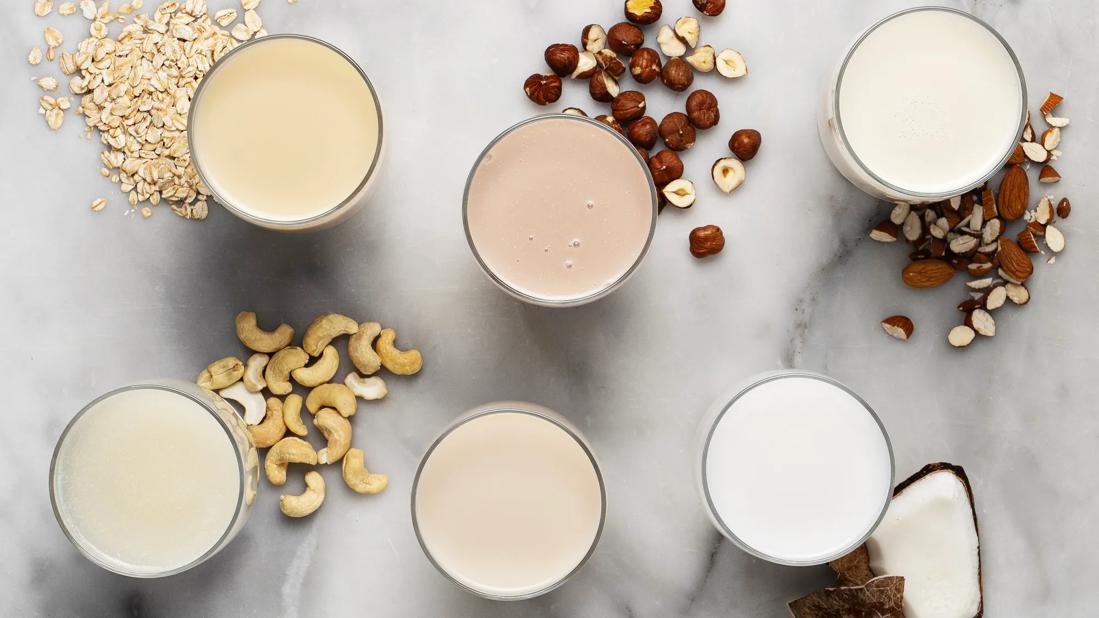
The 2026 plant-milk rankings at a glance
| Category | 1st place | 2nd place | 3rd place | 4th place |
|---|---|---|---|---|
| Coffee | Oat | Soy | Pea | Almond |
| Baking | Soy | Oat | Pea | Almond |
| Smoothies | Pea | Soy | Oat | Almond |
| Budget | Almond | Soy | Oat | Pea |
| One-carton household | Soy | Oat | Pea | Almond |
These rankings assume plain, unsweetened products, with “barista” versions judged separately for coffee. Brand formulas can change the result dramatically.
1. Oat milk: best for coffee and cozy baking
Oat milk remains the café favorite for good reason. It has a naturally creamy mouthfeel, mild flavor and enough body to make a latte feel satisfying. Barista-style versions are specifically formulated to handle steaming, espresso acidity and foam.
Where oat milk wins
- Flat whites, lattes and cappuccinos
- Pumpkin spice coffee and chai
- Muffins, quick breads and pancakes
- Recipes where you want moisture and tenderness
- Nut-free households, provided the package confirms the product is made without nut cross-contact
Oat milk’s starches and beta-glucans can help create a soft, moist crumb in fall baking. It is especially pleasant in apple cake, spice loaves and oatmeal cookies.
The trade-offs
Oat milk is usually lower in protein than soy or pea milk and higher in carbohydrates. A typical unsweetened cup may provide roughly 2–3 grams of protein, compared with around 7–9 grams in many soy and pea products. Some oat milks also contain added oils to create a richer texture.
That does not make oat milk “bad.” Oils, emulsifiers and stabilizers can help prevent separation and produce reliable microfoam. The important question is whether the formula suits your priorities.
Coffee verdict: #1. Choose barista oat milk when texture and foam matter most. Choose unsweetened standard oat milk for cereal, smoothies or baking when you want to keep the ingredient list and sugar lower.

2. Soy milk: the best all-purpose carton
If you want to buy one carton and use it for almost everything, soy is the most dependable choice.
Fortified soy beverages are the only plant-based alternatives that the Dietary Guidelines for Americans place in the dairy group, because they can provide a nutrient profile similar to milk. Many contain calcium, vitamin D, vitamin A, riboflavin and B12, as well as substantial protein.
Where soy milk wins
- Everyday drinking and cereal
- Smoothies that need protein
- Pancakes, cakes and yeast baking
- Custards, sauces and creamy soups
- Families looking for a more nutritionally substantial alternative
Soy milk can add structure to cakes and baked goods because its protein helps support the batter as it cooks. It also works well in smoothies without making them as sweet or carbohydrate-heavy as some oat products.
The trade-offs
Soy’s higher protein content can sometimes make it more likely to feather or curdle in acidic coffee, particularly when cold milk hits very hot espresso. A barista-style soy product, gentle heating and gradual mixing can help.
Soy is also a major allergen, so it may not suit every family or school setting.
All-purpose verdict: #1. For one carton that can cover coffee, baking, smoothies and everyday nutrition, fortified unsweetened soy is hard to beat.
3. Pea milk: high-protein and increasingly practical
Pea milk is one of the strongest newer contenders. It is commonly made with pea protein rather than a large quantity of whole peas, which allows many products to deliver around 7–8 grams of protein per cup.
Where pea milk wins
- Protein-focused smoothies
- Breakfasts where the milk is part of the meal
- People avoiding both soy and nuts
- Creamy drinks without the higher carbohydrate content of oat milk
- Recipes where extra protein and body are useful
Pea milk is often fortified with calcium and vitamin D. Its neutral formulas can work well in smoothies and cereal, although some products have a noticeable earthy or “beany” finish.
The trade-offs
Pea milk is frequently sold in smaller cartons and at a higher unit price than store-brand almond or soy milk. It may also contain added oils, gums or natural flavors to improve texture.
In coffee, pea milk can foam well when it is barista-formulated, but standard versions may separate or taste less balanced than oat. If you are buying it specifically for lattes, look for a product designed for steaming.
Protein verdict: #1. Pea is a smart choice when you want substantial protein without soy. For overall value and availability, soy often remains easier to find.
4. Almond milk: the budget and low-calorie specialist
Unsweetened almond milk is often the least expensive option, especially in store-brand cartons. It is also light in calories and typically contains little sugar or carbohydrate.
Where almond milk wins
- Lower-calorie drinks
- Cereal and iced coffee
- Light smoothies with protein coming from another ingredient
- Cost-conscious weekly shops
- Nut-friendly households where almond is appropriate
A typical cup may contain only around 1 gram of protein, so almond milk is better understood as a fortified beverage than a meaningful protein source.
The trade-offs
Almond milk can be thin in coffee and may lack the structure needed for cakes, custards or rich sauces. It is also unsuitable for people with almond or tree-nut allergies. “Plant-based” does not mean allergen-free.
Budget verdict: #1. Pick unsweetened store-brand almond milk when price, calories or a light texture matter more than protein.
What about rice and coconut milk?
Rice milk has a naturally mild, slightly sweet taste and can be useful for people avoiding nuts and soy. However, it is usually low in protein and can be relatively high in carbohydrates.
Coconut beverage is creamy and often works well in curries, desserts and tropical smoothies. It generally contains little protein, and its fat is predominantly saturated. Do not confuse the refrigerated beverage with canned coconut milk, which is much richer and is not a direct one-for-one substitute in most drinks.
Coffee: why some plant milks split
Coffee is acidic, and heat can destabilize plant proteins and emulsions. That is why one carton produces silky microfoam while another forms flakes or a floating layer.
For the best result:
- Choose a barista-style product.
- Warm the milk gently rather than boiling it.
- Avoid pouring ice-cold milk directly into extremely hot espresso.
- Stir or pour gradually.
- At a café, ask whether the steam wand is cleaned and purged between drinks if cross-contact is a concern.
If you are traveling, VexVegan’s restaurant map and café discovery tools can help you look for nearby spots that stock a plant-based flat white. It is still worth confirming the exact carton and café practices when allergies matter.
Baking: match the milk to the recipe
For most cakes, muffins and quick breads, plant milk can replace dairy milk in an equal volume. The result will vary based on fat, protein and thickness.
- Soy: best for structure, browning and custards
- Oat: best for moisture, tenderness and a creamy crumb
- Pea: useful when you want more protein and body
- Almond: works in lighter batters but may produce a thinner result
For pumpkin bread, apple muffins and spice loaves, oat and soy are usually the safest starting points. If a recipe uses milk to make a thick sauce or custard, soy or pea will generally perform better than almond.
The label details that matter in 2026
The front of the carton tells you the flavor. The back tells you what you are actually buying.
1. Added sugars
“Original” and flavored versions can contain added sugar even when the drink tastes only mildly sweet. Check the Added Sugars line rather than relying on the front label. Unsweetened versions should generally show 0 grams added sugar.
2. Added oils
Canola, sunflower, rapeseed or other vegetable oils may be included for creaminess and foam. This is especially common in barista products. If you prefer a simpler formula, compare total fat and ingredient lists across brands.
3. Fortification
Look for calcium and vitamin D, plus B12 if the milk is part of your regular routine. Fortification varies widely. The USDA FoodData Central database is useful for general food composition, but the carton in your hand is the final authority because brand formulas change.
Shorter days in October make vitamin D a timely label check, but a fortified milk is not automatically a complete supplement plan. If you have specific dietary or medical needs, ask a qualified professional.
4. “Natural flavors”
Natural flavorings are a collective labeling term, not a detailed description of every flavor component. They are not automatically a reason to reject a product, but the phrase alone does not tell you exactly what is inside.
5. Carrageenan, gums and E-numbers
Carrageenan is seaweed-derived and is generally vegan, while gellan gum, xanthan gum, guar gum and lecithin are commonly used to stabilize texture. These ingredients may be perfectly acceptable to you, or you may prefer a shorter list.
E-numbers also require context: not every additive is animal-derived. If you need a quick check for vegan status, allergens, oils, sugars, fortification or formulation changes, VexVegan’s barcode scanner can save you from standing in the aisle comparing tiny print. You can also browse community ratings and compare similar products in its database.

The final verdict: choose by job, not hype
For October coffee season, buy oat if you want café-style foam. For a fall baking cupboard, soy is the most versatile. For a protein-forward smoothie, choose pea or soy. For the lowest-cost, lightest option, unsweetened almond usually wins.
If your household needs one carton for everything, start with fortified, unsweetened soy. If you are shopping for children, check with their healthcare professional and choose an appropriate fortified, unsweetened product; infants should not use plant-based beverages as a replacement for breast milk or infant formula.
And remember: the best milk is the one that fits your taste, budget, allergies and routine. During Vegetarian Awareness Month, an easy swap does not need to be perfect to be useful. Scan the carton, compare the label and choose the option that helps your real life feel a little more plant-powered.